Idol 3D AI · 1.80B Single Image to 3D Gaussian Splatting

Idol 3D AI – Turn Any 2D Image into a 3D Model

Transform a single photo, product shot, or illustration into an interactive 3D Gaussian Splat (.ply) in seconds. Upload your image, preview in 360°, and download production-ready 3D models online.

Idol 3D Engine SpecsReal-Time 3DGS

1,048,576

Max 3D Gaussians per single image

1.80B

DiT + DINOv3 + FLUX.2 VAE + BiRefNet

0.885 CLIP

Outperforms TRELLIS & TripoSplat

Standard .PLY

Direct y-up 3DGS export for any engine

Idol 3D AI Studio

1.80B Params · DINOv3 + FLUX.2 VAE · 3DGS .PLY

30 Credits
Explorer Canvas Backpack
Explorer Canvas BackpackChange Image
Or test with official Idol 3D presets:1-Click Load
3D Gaussian Splatting (.PLY)

Loading 3D Gaussian Splat... 0%

Decoding spherical harmonics, opacities, and 3D Gaussian covariance matrices

Drag to orbit 360° · Scroll or pinch to zoom · Right-drag to pan
Output Format: Standard 3DGS .PLYMode: synthetic · Steps: 50 · CFG: 3.0 · Seed: 42
Fast 2D to 3D Workflow

How to Convert an Image to a 3D Model with AI

Go from a single 2D photograph, product picture, or AI illustration to a full 360° 3D Gaussian Splatting model in three simple steps.

01

1. Upload Any Single 2D Image

Upload a JPG, JPEG, PNG, or WebP picture of an object. Choose Synthetic mode (1/1.2 crop) for renders and AI art, or Real Photo mode (1/1.7 crop) for camera photos. Built-in BiRefNet segmentation removes the background automatically.

02

2. AI Reconstructs 360° 3D Geometry

Idol 3D AI encodes your image through DINOv3 ViT-H+/16 and the FLUX.2 VAE, runs 50 Euler flow steps on its 370.6M-parameter DiT denoiser, and decodes octree anchors into up to 1,048,576 3D Gaussians—completing the back and sides your photo never showed.

03

3. Preview Online & Download .PLY

Rotate, zoom, and compare the 2D source image against the live 3D Gaussian Splat inside our interactive WebGL viewer. Export the standard .ply file for Blender, Unreal Engine, Unity, or web 3D viewers.

Interactive 3D Gaussian Splatting Showcase

AI Image to 3D Model Examples Gallery

Explore 36 single-image to 3D reconstructions across Objects, Furniture, Food, Toys, and Digital Art. Click any card to inspect the interactive 3D Gaussian Splat or download its .ply file.

Browse All 36 3D Examples
Objects262,144 Splats
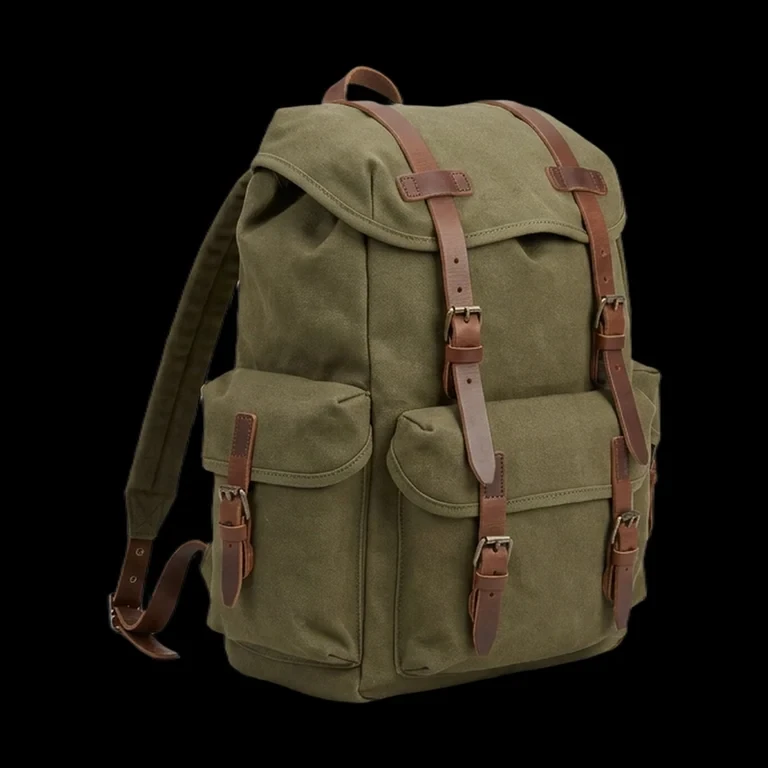
Idol 3D AI single image to 3D Gaussian Splatting example of an explorer canvas backpack with reconstructed rear straps

Explorer Canvas Backpack

seed 42

Generated from a single front-three-quarter studio render into 262,144 3D Gaussians. Idol 3D reconstructs the hidden back straps, stitching, side pockets, and brass buckles in full 360° volumetric detail.

Objects262,144 Splats
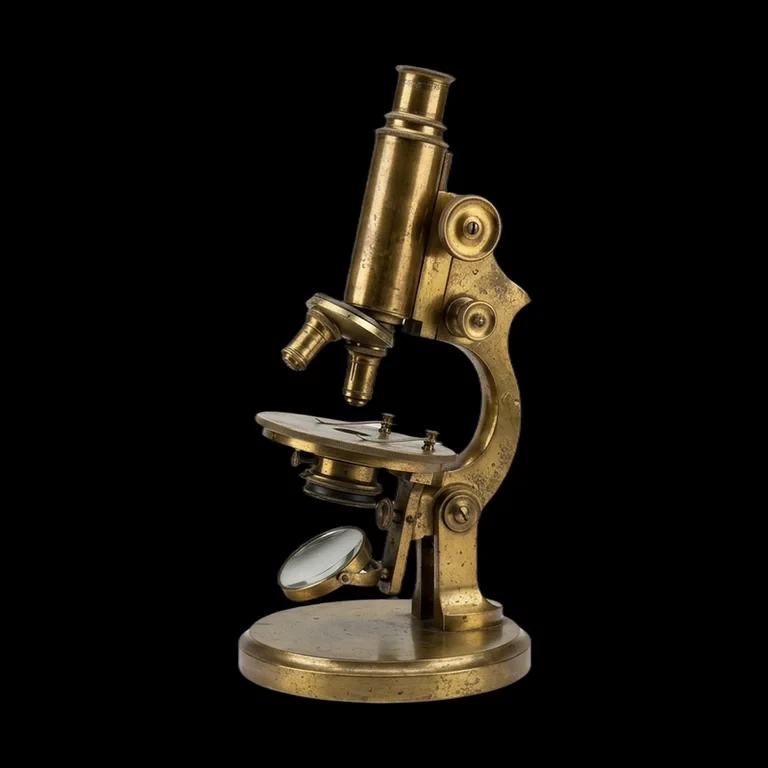
Vintage brass microscope converted from a 2D image to a 3D Gaussian Splat model using Idol 3D

Vintage Brass Microscope

seed 7

Complex metallic reflections and fine optical cylinders reconstructed via DINOv3 ViT-H+/16 and FLUX.2 VAE conditioning. Preserves thin structural arms and mirror assembly without mesh tearing.

Objects262,144 Splats
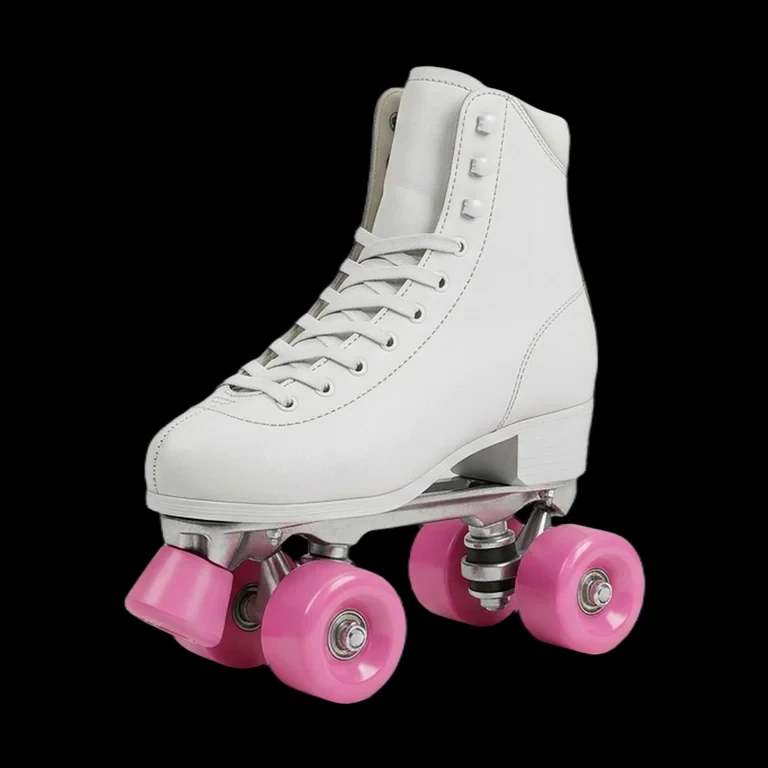
Retro quad roller skate 2D picture to 3D Gaussian splat generated by Idol 3D AI

Retro Quad Roller Skate

seed 7

Multi-part footwear asset featuring urethane wheels, laces, eyelet hooks, and ankle boot contour synthesized from a single 2D image.

Objects262,144 Splats
Faceted glass perfume bottle AI image to 3D model reconstruction with Idol 3D

Faceted Perfume Flacon

seed 42

Demonstrates Gaussian Splatting superiority over traditional polygon meshes on translucent glass, specular highlights, and ornate atomizer hardware.

Objects262,144 Splats
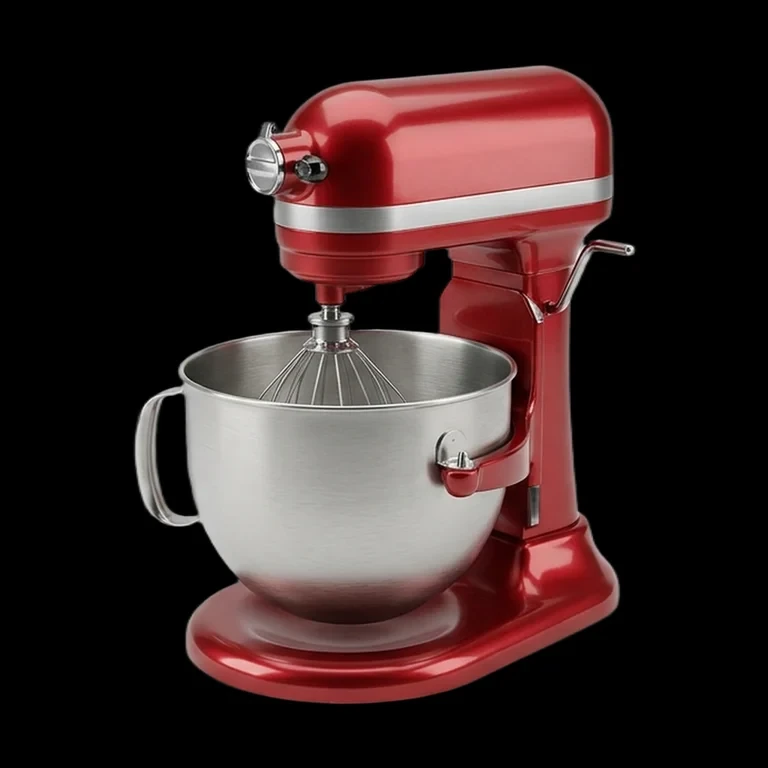
Artisan kitchen stand mixer photo to 3D model using Idol 3D Gaussian Splatting generator

Artisan Kitchen Stand Mixer

seed 7

E-commerce appliance visualization with glossy enamel housing and brushed stainless steel bowl synthesized in 50 Euler flow steps.

Objects262,144 Splats
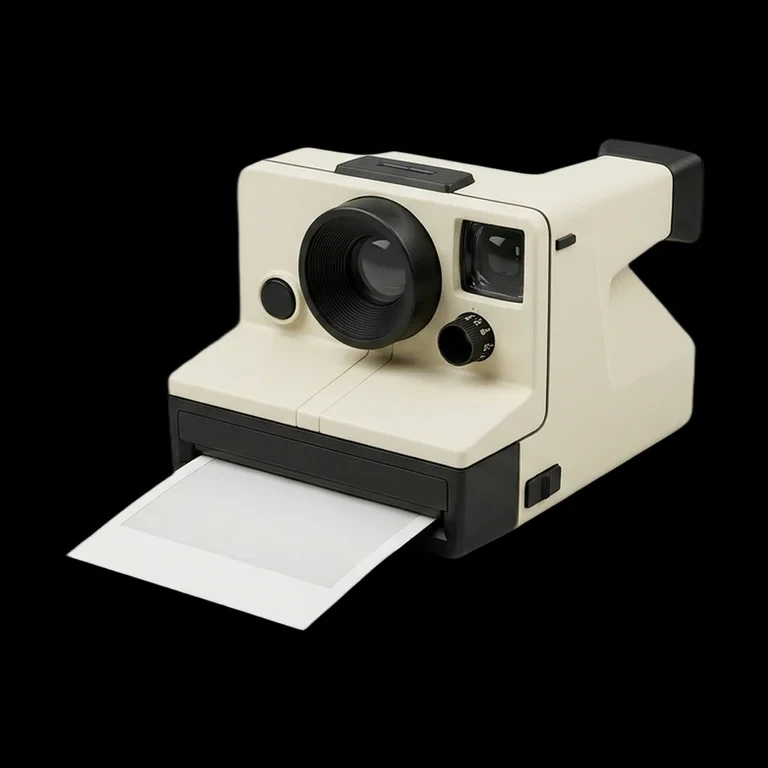
Instant camera and photo stack converted into a 3D Gaussian Splat model

Instant Camera & Photo Stack

seed 42

Sharp geometric edges, optical lens housing, and layered instant prints reconstructed from a single perspective.

Furniture262,144 Splats
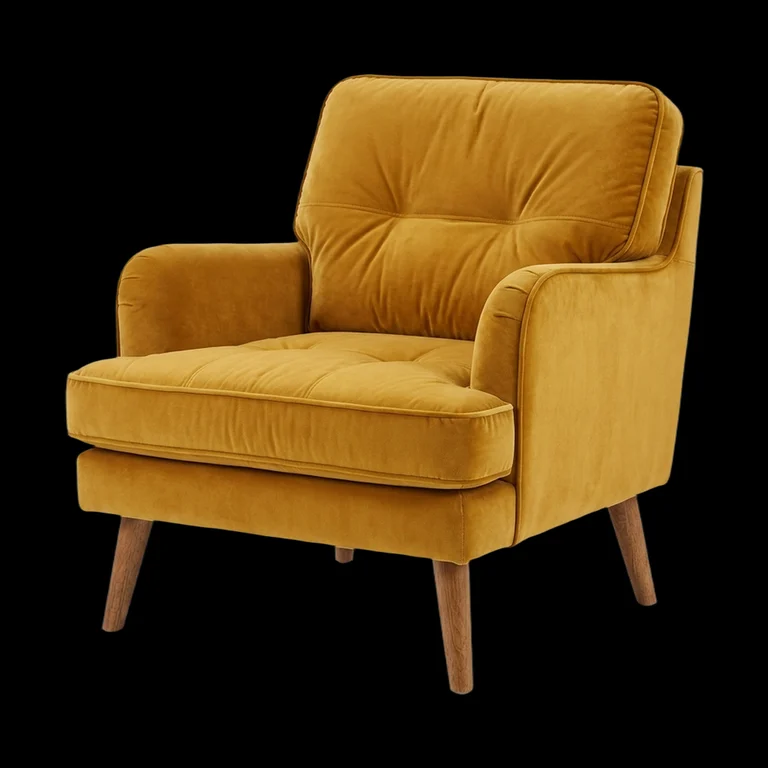
Sculpted terracotta armchair single image to 3D Gaussian Splat showcase from Idol 3D

Sculpted Terracotta Armchair

seed 7

Official Idol 3D showcase piece. Captures plush upholstery folds, curved wooden armrests, and unseen rear backrest geometry with 262,144 anisotropic 3D Gaussians.

Furniture262,144 Splats
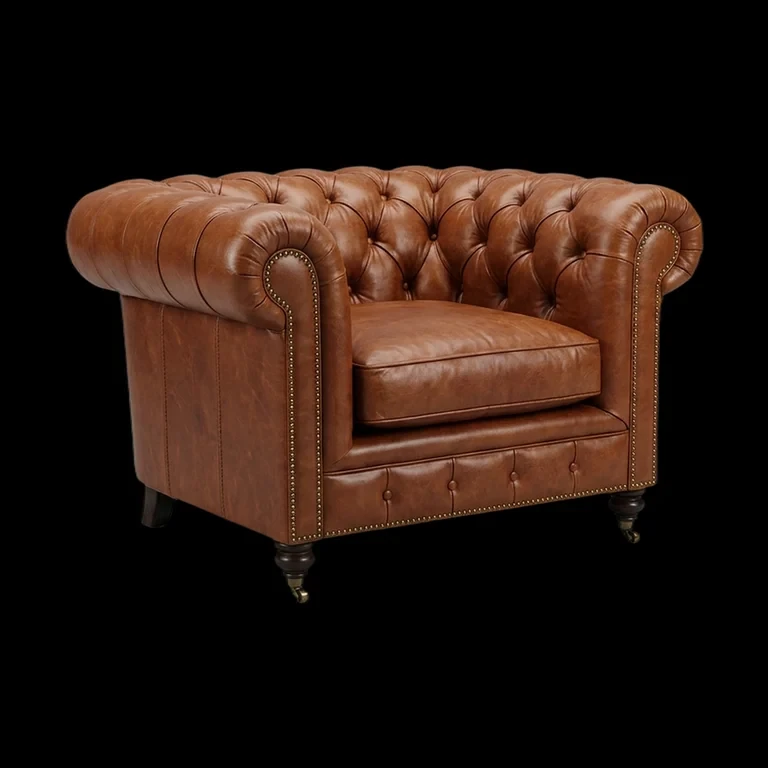
Tufted leather Chesterfield sofa 2D image to 3D model generated with Idol 3D AI

Tufted Chesterfield Sofa

seed 7

Deep button-tufted leather grain, rolled arms, and warm patina reconstructed for interior design and spatial commerce previews.

Furniture262,144 Splats
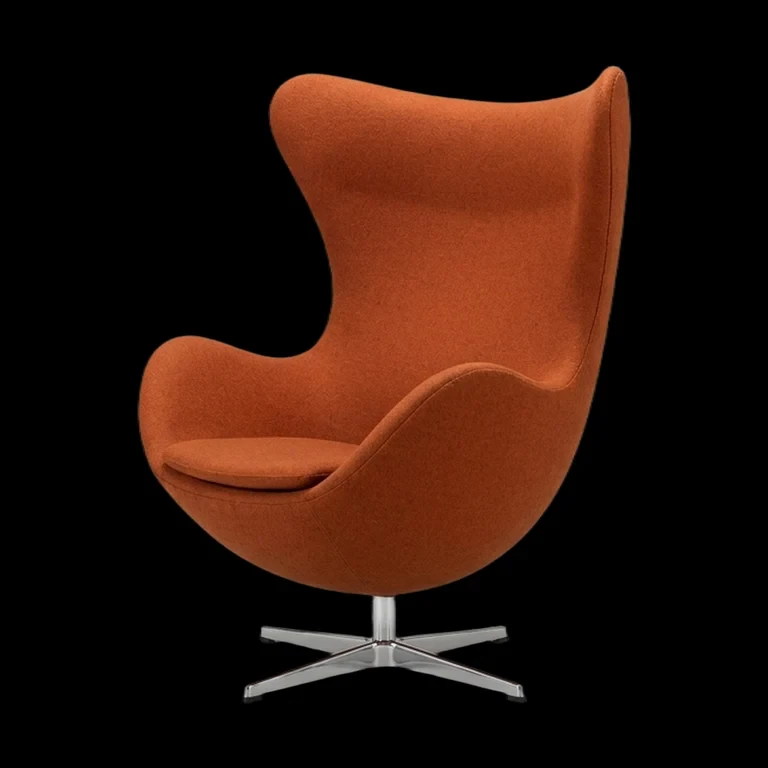
Mid-century swivel egg chair converted from single photo to 3D Gaussian splat

Mid-Century Swivel Egg Chair

seed 7

Continuous organic shell curvature and four-star aluminum swivel base synthesized with accurate concavity and cushion depth.

Why Creators Choose Idol 3D AI

Next-Generation Single Image to 3D Reconstruction

Unlike conventional polygon mesh generators that produce over-smoothed geometry and muddied UV maps, Idol 3D AI directly synthesizes dense 3D Gaussian primitives with sharp multi-view fidelity.

Up to 1,048,576 3D Gaussians

Scale your output resolution from 65,536 splats for instant web previews up to 1,048,576 Gaussians for intricate surface textures and fine geometry.

360° Unseen Backside Synthesis

Trained as a latent sequence multimodal flow model, Idol 3D AI reconstructs plausible rear geometry, straps, handles, and back surfaces never visible in the input photo.

Dual Vision Encoders (DINOv3 + FLUX.2)

Combines semantic 3D structure from Meta's 840.6M DINOv3 ViT-H+/16 encoder with fine pixel-level color and texture detail from the 84.1M FLUX.2 VAE.

Automatic BiRefNet Background Removal

No manual masking needed. A dedicated 220.7M BiRefNet segmentation network isolates your subject and applies optimal 1/1.2 or 1/1.7 framing automatically.

Standard 3DGS .PLY Compatibility

Exports universal binary_little_endian .ply files rotated to the y-up convention, with clamped opacities and log-scales for seamless third-party import.

Hierarchical Octree + Gaussian Decoder

A 50.8M octree probability decoder places spatial anchors across active surface voxels, and a 237.3M Gaussian decoder expands each anchor into 32 anisotropic splats.

Idol 3D Architecture & Benchmarks

State-of-the-Art 3D Gaussian Splatting AI

Powered by our Idol 3D 1.80-billion-parameter architecture, our pipeline couples flow-matching diffusion with sparse octree anchor decoding for rapid, high-precision 3D synthesis.

In multi-view evaluations across 1×H100 GPU benchmarks, Idol 3D achieves the highest structural similarity (0.726 SSIM), lowest perceptual error (0.213 LPIPS), best silhouette overlap (0.862 IoU), and strongest novel-view semantic alignment (0.885 CLIP and 0.781 DINOv2)—outperforming TripoSplat, Microsoft TRELLIS, and LGM.

  • DiT Denoiser (370.6M): Jointly predicts 3D latent tokens [1, 8192, 16] and input camera pose
  • Octree + Gaussian Decoder (288.1M): Samples N/32 spatial anchors and emits 32 3D Gaussians per anchor
  • High Efficiency: Requires only 7.2 GB peak VRAM (~3.7–4.4 GB weights in FP16/bf16)

Single-Image to 3D Benchmark Comparison

Input view (SSIM, LPIPS, IoU) & 7 novel views (DINOv2, CLIP, Sharpness)

1 × H100 GPU
ModelSSIM ↑LPIPS ↓IoU ↑DINOv2 ↑CLIP ↑Time ↓
Idol 3D50 steps · 262,144 splats0.7260.2130.8620.7810.8856.8 s
TripoSplat50 steps · 262,144 splats0.7120.2250.8600.7430.8689.9 s
TRELLISPaper setting · 50+50 steps0.7160.2350.8450.7540.8687.1 s
LGMDefault · 65,536 splats0.7220.2370.8340.5750.7841.1 s
Production Workflows

Built for 3D Creators, Game Studios & E-Commerce

Whether you are prototyping game environments, showcasing products in 360°, or turning 2D concept art into spatial assets, Idol 3D AI accelerates every stage of 3D content creation.

Game Assets & Worldbuilding

Convert 2D prop sheets, isometric buildings, and character concepts into 3D Gaussian Splats for rapid level blockouts and background assets in Unreal & Unity.

E-Commerce & Product Display

Transform standard catalog photos of footwear, handbags, furniture, and electronics into interactive 360° web previews that boost customer engagement.

Digital Art & Concept Previz

Bring Midjourney, FLUX, or hand-drawn illustrations into three dimensions to check lighting, camera angles, and spatial proportions in seconds.

AR / VR & Spatial Computing

Export standard .ply splat clouds for WebXR, Apple Vision Pro, and Gaussian Splatting plugins without spending hours on multi-camera photogrammetry.

Frequently Asked Questions

Everything About Idol 3D AI & Image to 3D Generation

What is Idol 3D AI and how does it turn a 2D image into a 3D model?

Idol 3D AI is an online AI Image to 3D Generator powered by a 1.80-billion-parameter 3D foundation model. It transforms a single 2D photograph, product image, or digital illustration into up to 1,048,576 3D Gaussians. The pipeline automatically removes the background with BiRefNet, extracts deep semantic and spatial features using DINOv3 ViT-H+/16 and the FLUX.2 VAE, samples a 370.6M-parameter Diffusion Transformer (DiT), and decodes an octree of anchors into a standard 3D Gaussian Splatting (.ply) model—including the back and sides the original image never showed.

What file format does the AI Image to 3D Generator output?

Idol 3D AI outputs industry-standard 3D Gaussian Splatting (.ply) binary files containing 3D positions, normals, degree-0 spherical harmonics color (f_dc_0, f_dc_1, f_dc_2), logit opacity, log scale, and unit quaternion rotation in a y-up coordinate system. You can inspect the .ply model right in your browser or import it into Blender, Unreal Engine, Unity, SuperSplat, Luma, or Polycam.

What is the difference between Synthetic mode and Real Photo mode?

The input mode controls how tightly the preprocessor frames your subject after background removal. Synthetic mode (1/1.2 crop ratio) is optimized for 3D renders, digital illustrations, and AI-generated images of isolated objects. Real Photo mode (1/1.7 crop ratio) leaves additional spatial margin around real-world smartphone or camera photographs to account for natural lens perspective.

How does 3D Gaussian Splatting compare to traditional OBJ or GLB mesh generators?

Traditional 2D-to-3D mesh generators force neural reconstructions through Marching Cubes or Poisson surface extraction, which often blurs fine textures, translucent surfaces, fur, or thin geometry. 3D Gaussian Splatting represents the object directly with hundreds of thousands of anisotropic 3D Gaussians, preserving crisp multi-view appearance, realistic lighting gradients, and sharp silhouettes at 60 FPS.

How many 3D Gaussians should I choose when generating a 3D model?

Idol 3D AI supports between 32,768 and 1,048,576 Gaussians. The default 262,144 Gaussians offers the best balance of sharp 360-degree surface detail and fast download size (~17 MB). For lightweight web embeds, 65,536 or 131,072 Gaussians load almost instantly, while 524,288 and 1,048,576 Gaussians are ideal for hero assets and close-up inspection.

Can I use the generated 3D models for commercial projects?

Yes. All .ply 3D models generated on our platform come with full commercial usage rights and can be integrated into commercial games, e-commerce storefronts, marketing visuals, digital art, and AR/VR spatial computing applications.
Ready to Turn Your First Image into a 3D Model?

Upload any photo or illustration and experience real-time 3D Gaussian Splatting with Idol 3D AI—right in your browser.